
Microsoft Dynamics 365 & Enterprise Technology
Microsoft Dynamics 365 ERP Implementation
for a Connected Business.
Bigiora helps organisations transform finance, operations, supply chains, sales and commerce with Microsoft Dynamics 365 and integrated enterprise solutions.
One platform to run your enterprise, end to end
What We Do
Services built around the full enterprise technology lifecycle
From first consultation to post-launch optimisation, Bigiora covers every stage of an ERP and enterprise technology programme.
01
ERP Implementation
End-to-end delivery from discovery through go-live and post-launch support.
Learn more02
ERP Customisation
Workflows, extensions, reports and dashboards built around how the business actually works.
Learn more03
ERP Integration
Connecting Dynamics 365 with the other systems the business already runs on.
Learn more04
Cloud Management
Infrastructure management, optimisation, security and monitoring for enterprise applications.
Learn more05
Support & Optimisation
Post-implementation support, performance tuning and continuous improvement.
Learn more07
Commerce Solutions
B2B, B2C and omnichannel commerce connected to ERP, inventory and finance.
Learn moreMicrosoft Dynamics 365
The applications behind a connected enterprise
Bigiora works across the Dynamics 365 portfolio, implementing and connecting the applications that fit how a business actually operates.
Business Central
Complete ERP for growing and mid-sized businesses — finance, operations, inventory, sales and purchasing in one system.
Explore solutionDynamics 365 Finance
Financial management built for organisations that need tighter control, deeper visibility and multi-entity scale.
Explore solutionSupply Chain Management
Planning, inventory, procurement, warehousing and logistics working from one connected operational view.
Explore solutionDynamics 365 Sales
CRM and sales automation that helps teams manage leads, opportunities, customers and performance in one place.
Explore solutionDynamics 365 Commerce
Unified commerce connecting retail, digital commerce, customer engagement and back-office operations.
Explore solutionIndustries We Serve
Enterprise technology shaped by industry context
Bigiora brings Microsoft Dynamics 365 experience across a range of industry operating models.

Retail & Commerce
Inventory, pricing and customer data fragmented across stores, online channels and back-office systems.
See approach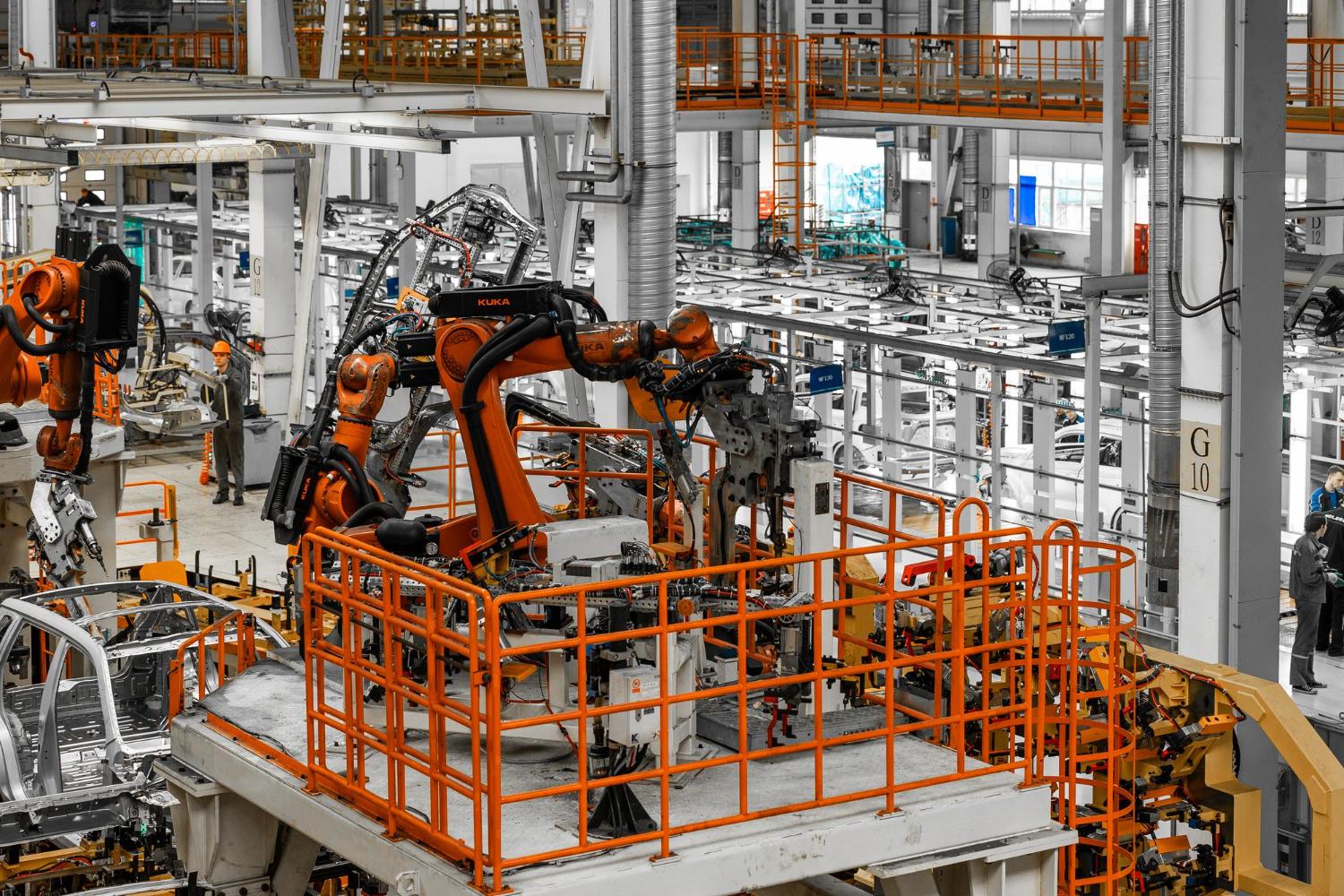
Manufacturing
Production planning, procurement and inventory managed in disconnected spreadsheets and legacy systems.
See approachDistribution
Limited visibility into inventory across multiple warehouses and fulfilment locations.
See approach
Logistics & Supply Chain
Fragmented tracking of shipments, carriers and fulfilment performance across partners.
See approach
Professional Services
Project costing, time tracking and billing handled outside the core financial system.
See approach
Healthcare
Procurement, inventory and finance operations that need tighter controls and audit readiness.
See approach
Financial Services
Multi-entity financial reporting and reconciliation processes that rely on manual effort.
See approach
Hospitality
Point of sale, inventory and finance systems that don't share data with each other.
See approach
Education
Administrative, procurement and finance processes running on ageing, disconnected systems.
See approach
Construction & Infrastructure
Project costing, procurement and subcontractor management spread across disconnected tools.
See approachWhy Bigiora
A consulting partner built for the long term
Business First Approach
Technology aligned with real business objectives.
Microsoft Ecosystem Expertise
Deep focus on Microsoft Dynamics 365 and enterprise technology.
End to End Delivery
From consulting and implementation to support and optimisation.
Integration Ready
Connecting ERP with the wider digital ecosystem.
Scalable Architecture
Solutions designed to grow with the organisation.
Continuous Improvement
Post implementation optimisation and enhancement.
Implementation Journey
A structured path from discovery to optimisation

Step 01
Discover
Understand current processes, systems and business objectives.
Step 02
Analyse
Assess gaps, requirements and priorities across the organisation.
Step 03
Design
Define the target solution architecture and configuration approach.
Step 04
Implement
Configure, build and migrate data into the target system.

Step 05
Integrate
Connect the system with the wider technology ecosystem.
Step 06
Launch
Test, train and deploy with a structured go-live plan.
Step 07
Optimise
Support, refine and enhance the system after go-live.
0
Enterprise Projects
0
Business Processes Transformed
0
Industry Segments
0
Client Satisfaction
Illustrative Client Portfolio
The kind of organisations Bigiora is built for
Representative organisations shown to reflect the types of mid-market and enterprise businesses Bigiora is built to serve.














Illustrative Feedback
Client feedback
Representative of the tone and typical outcomes leadership teams describe after an engagement.
“The engagement brought structure to areas of the business that had previously depended heavily on manual processes and individual judgment.”
Priya Deshmukh
Finance Director, UrbanMart Retail
“What changed most was the visibility leadership had across the organisation — inventory, orders and cash position in one place, not three.”
Arjun Mehta
Operations Head, Meridian Manufacturing
“Decisions that used to wait for a manual report now happen in the meeting, because the data is already there and everyone is looking at the same numbers.”
Kavita Rao
Supply Chain Manager, Eastern Logistics Co.
Illustrative Engagements
Case studies
Representative engagements reflecting the shape and depth of a typical transformation programme.

Retail ERP Transformation
UrbanMart Retail — Bengaluru, India
Fragmented retail operations with inventory, pricing and orders managed separately across stores and an online storefront.
Read case study
Manufacturing & Supply Chain Transformation
Meridian Manufacturing — Pune, India
Limited visibility into production planning, procurement and inventory across multiple facilities.
Read case study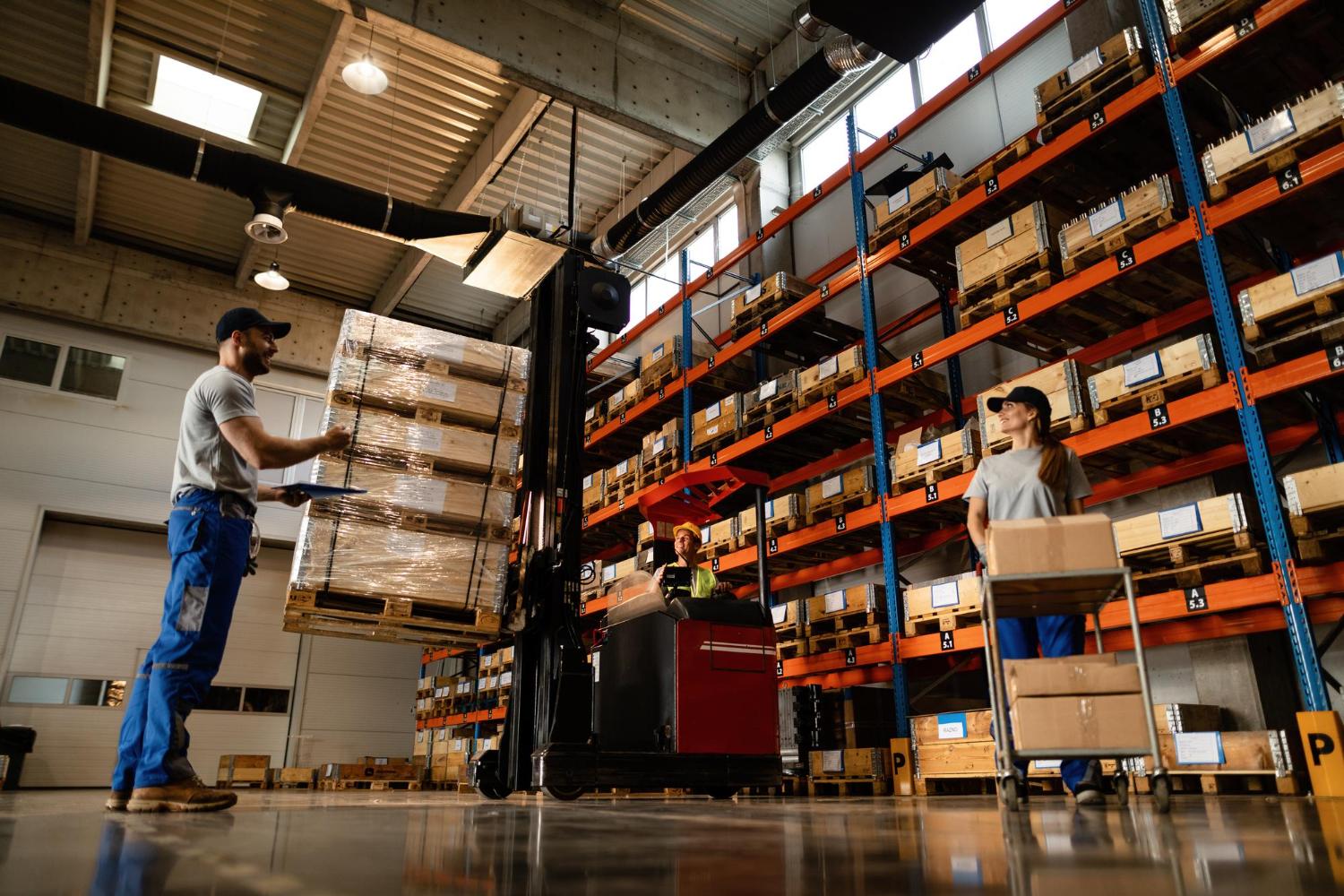
Distribution Management Modernisation
Eastern Logistics Co. — Kolkata, India
Warehouse and fulfilment processes running on disconnected legacy systems with limited reporting.
Read case studyFAQ
Frequently asked questions
Answers to common questions about Dynamics 365 and working with Bigiora.
A Dynamics 365 Business Central implementation typically takes 3 to 6 months. Dynamics 365 Finance and Supply Chain Management projects usually run 6 to 12 months, and sometimes longer. Your timeline depends on:
- Company size and number of users
- Number of legal entities
- Process complexity
- Integrations with existing systems
- Data migration scope
- Level of customisation
A clear scope agreed at the start is the best way to keep a Microsoft Dynamics ERP implementation on schedule.
The cost of a Microsoft ERP implementation is driven by project scope, the number of legal entities, integration requirements, customisation needs, and the volume and complexity of your data. These factors compound. A business with multiple entities, complex integrations and heavy customisation needs more configuration, development, testing and migration effort than a single-entity business running standard processes. A detailed discovery phase gives you a more accurate estimate before the project begins.
We follow a structured process to assess, map, clean, validate and migrate the data your Dynamics 365 ERP needs. The work is shared:
- Your team handles business-level data cleanup, such as correcting inaccurate or outdated records.
- Our team handles data mapping, migration preparation, transformation, loading, validation and migration testing.
This split keeps your data accurate and complete when you go live.
Our post-go-live support helps your team stabilise the new system. It includes:
- Resolving functional and technical issues
- Assisting users
- Monitoring integrations
We also help you get more from the system over time through process improvements, configuration adjustments, reporting enhancements and recommendations based on how it performs in real-world use.
Yes. Dynamics 365 integrates with many existing business systems, including CRM, ecommerce, payment, banking, payroll and other third-party applications. Each integration is assessed individually, because available APIs, data structures, security requirements and custom development effort all affect scope and timeline.
Dynamics 365 Business Central suits small and mid-sized organisations that want core finance, sales, purchasing, inventory and operations in one system. Dynamics 365 Finance suits larger or more complex organisations that need deeper financial management, multiple entities, advanced financial processes and greater scalability. If you are growing quickly or running several entities, Finance is usually the better fit.
No. Dynamics 365 Sales is an optional CRM application, separate from the ERP. You can implement Business Central or Dynamics 365 Finance without it. Consider adding it when you need dedicated tools for managing leads, opportunities, sales activities and customer relationships beyond what the ERP offers.
Personal Support
We're with you every step of the way
From first consultation to go-live and beyond — tell us a little about your business and a specialist will follow up.

Get Started
Ready to Build a Smarter Business?
Let's discuss how Microsoft Dynamics 365 and enterprise technology can transform the way your organisation operates.